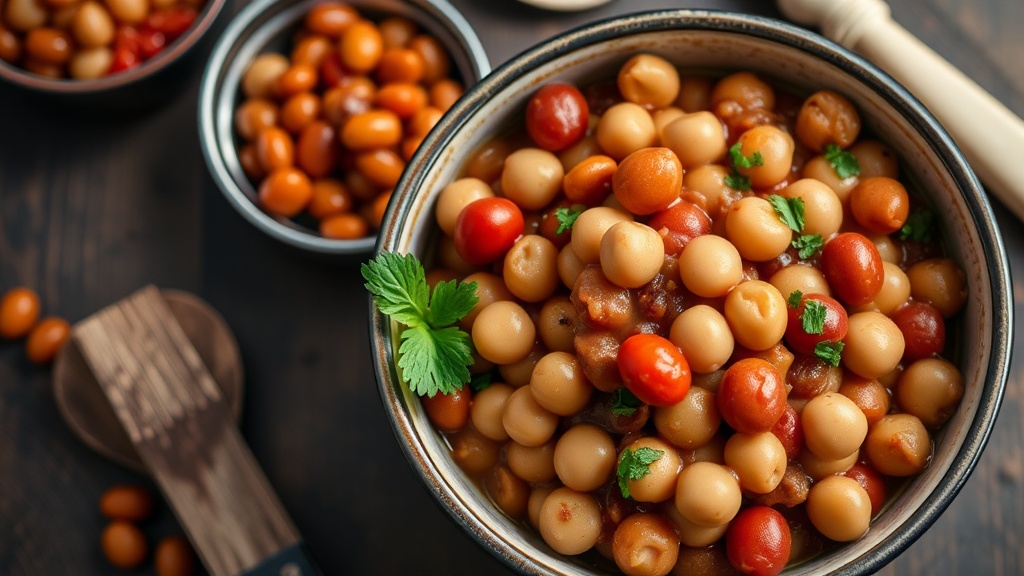
7 Ways to Use Canned Beans to Make Filling Meals

Creamy White Bean Mash
Quick Black Bean Tacos
Hearty Chickpea Salad
Easy White Bean Soup
Protein-Packed Pasta Sauce
Savory Baked Beans
Mediterranean Bean Dip
You will learn seven practical ways to incorporate canned beans into your weekly meal rotation to increase protein intake and lower your grocery bill. Canned beans are one of the most cost-effective pantry staples available, providing fiber, plant-based protein, and long shelf life for a fraction of the cost of meat. This guide focuses on specific methods to transform these inexpensive cans into hearty, family-friendly dinners.
1. Use White Beans to Create Creamy Pasta Sauces
Traditional heavy cream or expensive cheeses can drive up the cost of a pasta dish. Instead, use canned Cannellini or Navy beans to create a creamy, high-protein sauce that mimics a heavy Alfredo or a thick white sauce. This technique is a lifesaver when you are trying to stick to a strict weekly budget.
To make this sauce, drain and rinse one 15-ounce can of white beans. Place the beans in a blender with half a cup of the bean liquid (or vegetable broth), a clove of garlic, and a teaspoon of nutritional yeast or a small amount of parmesan. Blend until completely smooth. Toss this mixture with hot pasta like penne or fusilli. The starch from the beans creates a velvety texture without the high fat and cost of heavy cream. You can add sautéed spinach or frozen peas to add more nutrients to the meal.
2. Make Filling Tacos and Burritos with Refried Beans
Meat is often the most expensive item on a grocery list. You can significantly reduce your spending by using canned refried beans as a base or a primary protein for taco night. This method ensures your children stay full longer due to the high fiber content in the legumes.
When shopping, look for store brands like Great Value or Kroger brand refried beans, which often cost less than $1.00 per can. To upgrade the flavor, heat the beans in a skillet with a splash of water, a pinch of cumin, and a dash of chili powder. You can use these beans as a thick layer at the bottom of a flour tortilla before adding a small amount of ground turkey or seasoned tofu. This "stretches" the meat so you use less of it while still providing a satisfying texture. If you are looking for more ways to stretch your ingredients, check out my guide on budget-friendly meals that cost under $5 per serving.
3. Add Chickpeas to Salads and Grain Bowls
A simple salad can feel unsatisfying if it lacks substance. Adding canned chickpeas (garbanzo beans) provides the "bite" and protein necessary to turn a side salad into a main course. This is an excellent way to use up leftover grains or vegetables.
For a quick Mediterranean-style bowl, drain and rinse a can of chickpeas. Toss them with a little olive oil, dried oregano, and lemon juice. You can serve these over a bed of quinoa or brown rice. If you have leftover rice from a previous meal, this is a perfect way to incorporate it into a new dish. For more ideas on utilizing leftovers, read my post on 7 ways to use leftover rice to avoid food waste. To add more texture, you can roast the chickpeas in an oven at 400°F for about 20 minutes until they are slightly crunchy, making them a great topping for soups or salads.
4. Use Black Beans to Thicken Soups and Chili
Chili and hearty soups are staples of budget meal planning because they are easy to make in large batches and freeze well. Canned black beans are an excellent tool for adding thickness to a soup without needing to make a roux or use flour-based thickeners.
If you are making a vegetable-heavy chili, add one or two cans of black beans toward the end of the simmering process. For an even thicker consistency, take one cup of the beans out of the pot, mash them with a fork or a potato masher, and stir them back in. This releases the starches and creates a much richer, more filling broth. This method works exceptionally well with canned diced tomatoes and onions, which are also very affordable pantry staples. It turns a thin liquid soup into a meal that can support a growing family.
5. Make Quick Hummus for Healthy Snacks and Dips
Store-bought hummus can be surprisingly expensive, often costing several dollars for a small container. Making your own at home using canned chickpeas is much more economical and allows you to control the salt and oil content.
To make a basic batch, combine one can of drained chickpeas, two tablespoons of tahini (or peanut butter for a budget alternative), one tablespoon of lemon juice, and a clove of garlic in a food processor. Pulse until smooth. You can make a large batch on Sunday and use it throughout the week as a dip for carrots, celery, or even as a spread on sandwiches. This is a much healthier and cheaper alternative to processed snack foods, ensuring your kids have a nutritious option during after-school hours.
6. Incorporate Kidney Beans into Hearty Stews
Kidney beans are larger and heartier than many other bean varieties, making them the perfect addition to slow-cooked stews. Because they hold their shape well during long cooking times, they provide a substantial texture that mimics meat chunks.
When making a beef or vegetable stew, add a can of kidney beans during the last 30 minutes of cooking. This allows the beans to absorb the flavors of the broth and spices without becoming mushy. Using beans in this way allows you to use less beef while still providing a high-protein meal. This is particularly helpful when meat prices fluctuate. You can even use a smaller amount of leftover stewed meat and a larger amount of beans to stretch the meal across two different nights.
7. Use White Beans in Savory Breakfast Scrambles
Breakfast is often a missed opportunity for budget-conscious meal planning. Instead of relying solely on expensive breakfast meats like sausage or bacon, try adding canned white beans to your morning routine. They provide a slow-release energy source that helps keep you full until lunch.
To do this, sauté a small handful of white beans in a pan with a little butter or oil and some chopped onions. Once the beans are warm, crack two or three eggs directly over the beans and scramble them together. The beans add a creamy texture to the eggs and increase the volume of the meal significantly. This is a great way to use up eggs when you are trying to manage your grocery budget, especially if you have been following tips on why eggs are getting expensive.
Pro-Tips for Buying and Preparing Canned Beans
- Check the Unit Price: Always look at the small print on the shelf tag that shows the price per ounce. Sometimes the larger cans are a better deal, but occasionally the smaller cans are on sale for a lower unit price.
- Rinse Thoroughly: Always drain and rinse canned beans in a colander under cold running water. This removes the excess sodium and the "canned" taste, making them much more palatable for your family.
- Store in Bulk: If you see a sale on canned beans at stores like Aldi or Walmart, buy several cans. Beans have a very long shelf life and are a foundational part of a low-cost pantry.
- Watch the Salt: If you are on a low-sodium diet, look for "No Salt Added" versions. While these might cost a few cents more, they are much better for your heart health and allow you to control the seasoning yourself.
By utilizing these seven methods, you can turn a simple, inexpensive can of beans into a variety of nutritious, filling, and delicious meals. Whether you are thickening a soup, creating a creamy pasta sauce, or adding protein to your breakfast, canned beans are one of the most versatile tools in a budget-conscious kitchen.