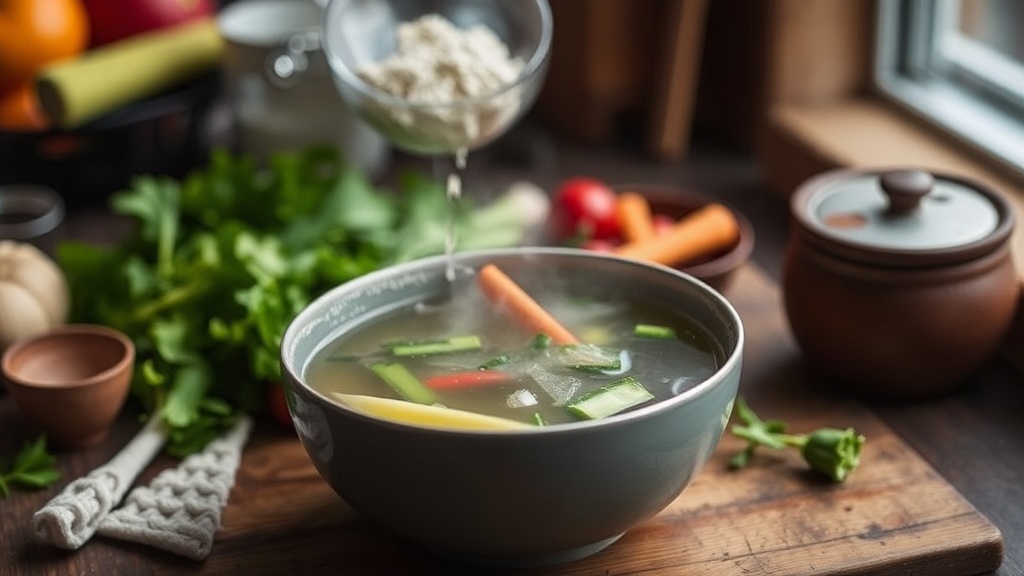
How to Make Your Own Vegetable Broth from Scraps

Most people believe that vegetable scraps are nothing more than trash destined for the compost bin or the garbage disposal. They assume that once a carrot is peeled or an onion is chopped, the remaining skins and ends lose all nutritional and culinary value. This is a costly misconception. Those "scraps" are actually concentrated sources of flavor and nutrients that can be transformed into a high-quality, versatile vegetable broth. Making your own broth from kitchen leftovers is one of the most effective ways to lower your weekly grocery bill because it turns what you would normally throw away into a base for soups, stews, and grains.
Creating a homemade vegetable broth allows you to control exactly what goes into your family's food. Store-bought cartons of broth are often surprisingly expensive—sometimes costing $3 or $4 for a single 32-ounce container—and frequently contain high amounts of sodium, sugar, or even artificial flavors. By using the parts of vegetables you already have in your refrigerator, you eliminate this extra expense and ensure your meals are free from unnecessary additives. This method is a cornerstone of my budget-friendly kitchen strategy.
What Scraps to Save and What to Avoid
To make a delicious, well-balanced broth, you need to be selective about what you collect. Not every vegetable scrap is suitable for simmering. Some can make your broth taste bitter, while others might introduce an unpleasant texture or smell.
The Best Scraps to Collect
Start a dedicated container in your freezer or a large silicone bag to collect these high-value items:
- Onion Skins and Ends: The outer papery skins of yellow or red onions add a beautiful golden color to the liquid.
- Carrot Peels and Ends: These provide natural sweetness and a rich orange hue.
- Celery Bases: The bottom inch of the celery stalk, where the leaves are attached, is incredibly flavorful.
- Leek Greens: The dark green tops of leeks are perfect for adding a subtle, earthy depth.
- Parsley and Herb Stems: Instead of tossing the woody stems of parsley, thyme, or rosemary, save them for the pot.
- Garlic Skins and Clumps: The papery skins of garlic add aroma without the harsh bite of raw garlic.
- Mushroom Stems: If you trim the bottom of a package of Cremini or White Button mushrooms, save those stems for an extra savory kick.
Scraps to Avoid
Including certain items can ruin the flavor profile of your broth. Avoid adding these to your collection container:
- Cruciferous Vegetables: Broccoli, cauliflower, cabbage, and Brussels sprouts can make a broth taste bitter or sulfurous if simmered for a long time.
- Bitter Greens: Avoid kale or collard green stems if you want a mild, versatile broth.
- Excessive Garlic or Onion: While a little is good, using too much raw garlic or pungent onion can overpower the delicate flavors of other vegetables.
- Spoiled or Moldy Produce: This seems obvious, but even a small amount of moldy produce can introduce bacteria or off-flavors into your entire batch.
Essential Equipment and Preparation
You do not need specialized kitchen gadgets to make a great broth. A standard large stockpot is sufficient, but if you are cooking for a smaller household, a medium saucepan or even a slow cooker will work perfectly. For those who want to maximize efficiency, a pressure cooker like an Instant Pot can significantly reduce the time required to extract flavor.
Before you start, ensure your collection container is kept in the freezer. Keeping scraps frozen prevents them from rotting or smelling in your refrigerator and makes it easier to drop them directly into a pot of simmering water. When you are ready to make a batch, let the scraps thaw slightly or add them directly to the pot to prevent the temperature of your liquid from dropping too sharply.
The Basic Ratio
A good rule of thumb for a balanced broth is to use a ratio of roughly two parts vegetables to one part water by volume. However, since scraps are irregular shapes, you can simply fill your pot about halfway with your collected scraps and then cover them with water, leaving about two inches of space at the top of the pot to prevent boiling over.
Step-by-Step Instructions for Making Vegetable Broth
Follow these steps to ensure your broth is clear, flavorful, and shelf-stable.
- Prepare the Pot: Place your collected vegetable scraps into a large stockpot or your pressure cooker.
- Add Aromatics: If you have extra dried herbs like bay leaves or peppercorns, add them now. This is a great time to use spices bought in bulk to add depth without extra cost.
- Cover with Water: Pour cold, filtered water over the scraps until they are fully submerged. Do not use hot water to start, as cold water helps extract flavors more gradually and results in a clearer broth.
- Simmer: Place the pot on the stove over medium-high heat. Once it reaches a gentle boil, reduce the heat to low. You want a very low, consistent simmer. If the liquid boils too vigorously, it can become cloudy and bitter.
- Timing: For a standard stovetop method, simmer for at least 45 minutes, but 1.5 to 2 hours is ideal for extracting the maximum amount of nutrients and flavor. If using an Instant Pot, 30 to 45 minutes under high pressure is sufficient.
- Strain the Liquid: Once the time is up, turn off the heat. Set a fine-mesh strainer over a large bowl or a clean pot. Pour the contents through the strainer. Use the back of a wooden spoon to gently press on the solids to extract every last bit of liquid.
- Discard the Solids: The remaining mushy vegetables are no longer useful. Compost them or discard them according to your local waste guidelines.
Storing and Using Your Homemade Broth
Because this broth is homemade and lacks the heavy preservatives found in commercial brands, you must store it correctly to ensure it stays fresh and safe to consume.
Storage Guidelines
- Refrigerator: Store the broth in a glass jar or a BPA-free plastic container. It will stay fresh in the refrigerator for up to 5 to 7 days.
- Freezer: This is the best method for long-term storage. Pour the broth into silicone ice cube trays or small plastic containers. Once frozen, transfer the cubes or containers to a heavy-duty freezer bag. This allows you to thaw only what you need for a single recipe. The broth will stay good in the freezer for up to 6 months.
Creative Ways to Use Your Broth
A homemade vegetable broth is much more than just a base for soup. It is a foundational ingredient that can elevate almost any meal. Here are a few ways to use it to stretch your budget:
- Cooking Grains: Instead of boiling rice or quinoa in plain water, use your vegetable broth. This adds a layer of savory flavor to side dishes and can make leftover rice taste like a gourmet meal.
- Deglazing Pans: After sautéing vegetables or proteins, pour a splash of broth into the pan to scrape up the browned bits (the fond). This creates a quick, flavorful sauce for your meal.
- Creamy Soups: Use the broth as a base for creamy vegetable soups like butternut squash or potato leek soup.
- Risotto: Slowly add your warm broth to arborio rice to create a rich, comforting risotto.
- Braising Liquid: Use a cup of broth to braise beans or lentils, which adds depth to vegetarian dishes. This pairs well with canned beans to create hearty, protein-rich meals.
Troubleshooting Common Issues
If your first batch doesn't turn out quite as expected, don't be discouraged. Making broth is a skill that improves with practice. Here are a few common issues and how to fix them.
The broth is too bitter: This usually happens if you included too many brassica scraps (like broccoli or cabbage) or if you boiled the liquid too aggressively. Next time, ensure you stick strictly to the "safe" list and keep a low simmer.
The broth is cloudy: A cloudy broth is often a result of a hard boil. A gentle simmer is the key to clarity. You can also try straining the liquid through a piece of cheesecloth or a coffee filter for a much clearer result.
The broth lacks flavor: If your broth tastes thin or watery, you may have used too much water relative to the amount of vegetables. Next time, use more scraps or try simmering it for a longer period. You can also add a small piece of kombu (dried seaweed) to add natural umami and depth.
By making this small adjustment to your kitchen routine, you are not just saving money; you are reducing food waste and creating a more flavorful pantry. Start a scrap bag in your freezer today and watch how much more versatile your cooking becomes.
Steps
- 1
Collect and Freeze Your Scraps
- 2
Prepare the Pot
- 3
Simmer to Extract Flavor
- 4
Strain and Store