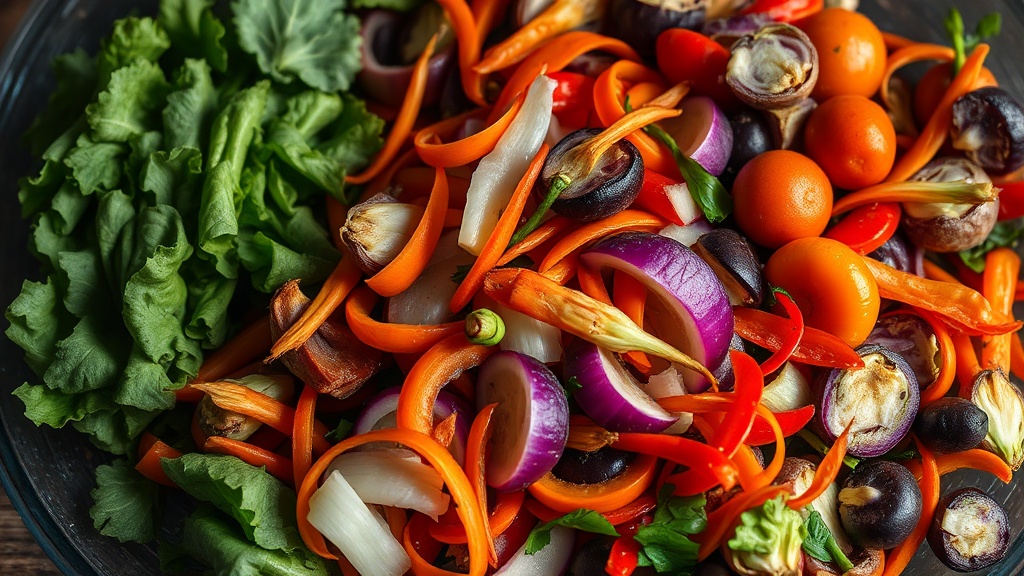
Stop Throwing Away Your Vegetable Scraps

Do you find yourself emptying a pile of onion skins, carrot tops, and celery ends into the trash every single night?
Those scraps are not actually waste; they are concentrated sources of flavor and nutrients that can significantly lower your weekly grocery bill. When you learn to save and use your vegetable trimmings, you stop paying for "trash" and start creating high-quality ingredients like homemade stocks, seasonings, and even oils for free. This guide will show you exactly how to collect, store, and transform your vegetable scraps into versatile staples that will help you stick to your $50-a-week food budget.
The Golden Rule of Scrap Collection
Before you start saving everything, you need to understand what is safe to keep and what should go straight to the compost bin. Not all scraps are created up to the standard of a high-quality homemade stock. To ensure your food is safe and delicious, follow these three rules:
- Avoid the "Bitter" Scraps: Do not save broccoli or cauliflower stalks if they have become woody or overly tough, as they can impart a bitter taste to your broth. Similarly, avoid using old, soft, or bruised vegetable ends that have begun to mold.
- The Green Rule: While many people save herb stems, be careful with large amounts of parsley or cilantro stems if they are starting to turn slimy. Only collect fresh, crisp stems.
- Wash Before You Chop: Since you are keeping the parts of the vegetable you usually discard, you must wash the whole vegetable thoroughly before prepping. This removes any residual dirt or grit that could end up in your final product.
What to Save and What to Toss
To make this practical for a busy weeknight, keep a dedicated container in your freezer. A large, gallon-sized Ziploc bag or a sturdy Tupperware container works best. Here is a checklist of what to collect and what to skip:
The "Yes" List (Save These)
- Onion Skins and Ends: Yellow and red onion skins add a beautiful deep golden color to stocks.
- Carrot Tops and Peels: The peels are packed with flavor, but ensure they are clean.
- Celery Bases: The bottom inch of the celery bunch is incredibly aromatic.
- Leek Greens: The dark green tops of leeks are perfect for long-simmering broths.
- Bell Pepper Seeds and Walls: These add a subtle sweetness to vegetable stocks.
- Mushroom Stems: These are essential for adding "umami" or a savory depth to soups.
- Garlic Skins: Dried garlic skins can be used to flavor oils or simmered in broth.
The "No" List (Discard These)
- Brassica Leaves: Cabbage or kale leaves that have gone limp or yellowed.
- Root Rot: Any part of a carrot or radish that shows signs of soft, dark rot.
- Excessive Starch: Avoid saving large amounts of potato peels if you want a clear stock, as the starch can make the liquid cloudy and thick.
- Sprouted Vegetables: If your onions or potatoes have started to sprout significantly, discard them.
Three Methods for Using Your Scraps
Once your freezer bag is full, you have three main ways to turn that collection into actual food. Each method serves a different purpose in a budget-friendly kitchen.
1. The Traditional Vegetable Stock
This is the most common use for a scrap collection. A homemade stock is vastly superior to the store-bought versions from brands like Swanson or Pacific Foods, which often contain high amounts of sodium and preservatives. To make a batch, empty your freezer bag into a large stockpot. Add enough water to cover the vegetables by about two inches. Add a bay leaf and a few peppercorns. Simmer on low heat for at least 45 minutes, but no more than two hours. If you simmer too long, the liquid can become bitter. Strain through a fine-mesh sieve, let it cool, and freeze in ice cube trays or small jars for easy portioning.
2. Homemade Vegetable Seasoning Salt
If you have a lot of dried-out scraps, you can make a seasoning salt. This is perfect for seasoning rice, beans, or even roasted vegetables. Take your dried scraps—such as onion skins, garlic skins, and dried herb stems—and pulse them in a clean coffee grinder or a high-speed blender until they become a fine powder. Mix this powder with a bit of sea salt. This is a great way to turn leftover grains and legumes into gourmet staples by adding a layer of complex flavor without buying expensive pre-made spice blends.
3. Infused Cooking Oils
This is a slightly more advanced technique but incredibly rewarding. If you have clean, dry scraps like garlic skins or chili ends, you can infuse them into oil. Heat a small amount of neutral oil (like canola or grapeseed oil) in a saucepan over very low heat. Add your scraps and let them gently warm for about 10-15 minutes. Do not let the oil smoke or the scraps will burn, which makes the oil bitter. Once the aroma is released, strain the oil into a glass jar. This infused oil can be used to sauté vegetables or drizzle over a simple bowl of pasta to elevate a basic meal.
Organizing Your Kitchen for Success
To make this a habit rather than a chore, you need a system. If you have to hunt for a container every time you chop a carrot, you won't do it. I recommend keeping a "Scrap Station" right next to your cutting board. A small, airtight glass jar or a silicone bag is ideal.
I also suggest labeling your freezer bags with a permanent marker. When you have a full bag of "Vegetable Scraps," write the date on it. This ensures you aren't using a bag that has been sitting in the freezer for six months, which can lead to freezer burn and lost flavor.
To keep your kitchen efficient, try to coordinate your scrap collection with your weekly meal planning. If you know you are making a large batch of roasted chicken or a big pot of chili on Sunday, make sure you have your scrap container ready to catch the extra vegetable ends from that prep work. This level of organization is exactly how you can meal prep a week of budget-friendly lunches that actually taste like they came from a high-end restaurant.
Troubleshooting Common Issues
"My stock tastes muddy or dirty." This usually happens if the vegetables weren't washed thoroughly before being frozen, or if you didn't strain the liquid through a very fine sieve. Next time, try a double-strain method: once through a colander, and a second time through a piece of cheesecloth or a coffee filter.
"The scraps are taking up too much room in my freezer." If your freezer space is tight, don't use a bulky plastic container. Use a flat, gallon-sized freezer bag. Once you add the scraps, squeeze as much air out as possible. This makes the "bag" flat and easy to stack in the freezer, much like a book on a shelf.
"I don't have enough scraps to make a full pot of soup." You don't need a massive amount to make a difference. Even a small amount of scraps can be used to flavor a single batch of rice or a small pot of quinoa. Every little bit adds up to significant savings over the course of a month.
By treating your vegetable ends as an ingredient rather than trash, you are reclaiming the value of every dollar you spend at the grocery store. Start small: keep a container on your counter this week, and see how much flavor you can harvest from your regular cooking routine.