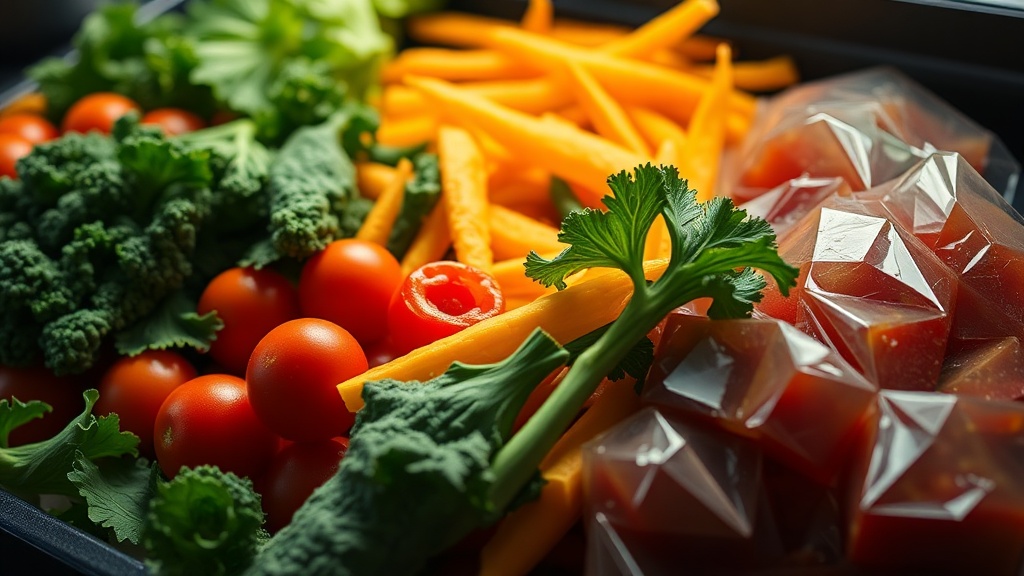
Why You Should Buy Frozen Vegetables Instead of Fresh

The Fresh vs. Frozen Myth
Many people believe that buying fresh vegetables is the only way to ensure high nutritional value and quality for their families. This is a common misconception that leads to higher grocery bills and, more often than not, more food waste in the trash bin. In reality, frozen vegetables are often more nutrient-dense, more affordable, and significantly more practical for a budget-conscious household. This post explains the science behind frozen produce, how it saves you money, and the best ways to incorporate it into your weekly meal planning.
When you shop for groceries, the "fresh" produce section often feels like the gold standard. However, the journey from a farm to your local grocery store—whether it is a Kroger, Publix, or a local co-op—can take several days or even weeks. During this transit time, vitamins begin to degrade. Frozen vegetables bypass much of this degradation by being processed almost immediately after harvest, locking in the nutrients when the plant is at its peak.
The Nutritional Advantage of Flash Freezing
The primary reason frozen vegetables are a powerhouse for your diet is the process of flash freezing. Most commercial frozen vegetables undergo a process called IQF (Individually Quick Frozen). This means the vegetables are picked at the height of ripeness, cleaned, blanched to stop enzyme activity, and then frozen almost instantly. This process preserves the vitamins and minerals that often diminish in "fresh" produce that has been sitting in a shipping container or on a grocery store shelf for a week.
For example, consider spinach or broccoli. If you buy fresh broccoli, it may have been harvested several days ago and traveled hundreds of miles. By the time it reaches your kitchen, its vitamin C content may have already started to drop. A bag of frozen broccoli florets, however, is frozen at the source, ensuring that the fiber, vitamin C, and vitamin K levels remain high. For families trying to hit specific nutritional goals on a strict budget, this reliability is a game changer.
Comparing Nutrient Density
While fresh vegetables are excellent when you can source them directly from a farmer's market, the "shelf life" in a standard refrigerator is a major variable. A head of lettuce or a bag of fresh green beans might only stay truly nutritious for a few days before wilting. Frozen vegetables provide a consistent baseline of nutrition that doesn't fluctuate based on how long they've been sitting in your crisper drawer. This consistency is vital when you are meal prepping for the week and need to know exactly what your kids are getting in their lunches.
Cost Savings and Reduced Food Waste
From a purely financial standpoint, the frozen aisle is your best friend. If you look at the price per ounce, frozen vegetables almost always beat out the fresh counterparts, especially for items that are out of season. Buying fresh berries or asparagus in the middle of winter can cause your weekly grocery bill to spike unexpectedly. Frozen options provide a way to maintain a consistent budget regardless of the season.
One of the biggest hidden costs in a household is food waste. We have all experienced the frustration of buying a large container of fresh mushrooms or a bag of fresh spinach, only to find it has turned into a slimy mess at the bottom of the fridge three days later. When you buy frozen, you are in total control of the portion. You can take out exactly one cup of peas or a handful of corn and leave the rest in the freezer. This eliminates the "use it or lose it" pressure that often leads to throwing money in the trash.
Practical Budgeting Examples
Consider these common shopping scenarios:
- The Spinach Scenario: A large tub of fresh spinach might be $4.00, but it often wilts within four days. A large bag of frozen chopped spinach is usually much cheaper per serving and will stay good for months.
- The Seasonal Spike: In July, fresh corn might be cheap, but in January, it is expensive and often lacks flavor. A bag of frozen sweet corn provides that same summer taste in the middle of winter for a fraction of the cost.
- The Pre-Prepped Advantage: Many frozen vegetables come pre-washed and pre-chopped. While some see this as a luxury, it is actually a way to save time and reduce the need for additional kitchen tools or prep work.
How to Use Frozen Vegetables Effectively
The key to making frozen vegetables taste delicious is knowing how to cook them. The biggest mistake people make is overcooking them, which results in a mushy texture and a loss of flavor. To avoid this, you must adjust your cooking methods based on the type of vegetable.
Sautéing and Stir-Fries
For vegetables like broccoli, cauliflower, or mixed stir-fry blends, skipping the boiling step is essential. Instead of boiling them in water, which leaches out flavor and nutrients, try sautéing them directly from the freezer in a pan with a little olive oil or butter. Adding a splash of soy sauce or garlic powder can elevate the dish instantly. This method keeps the vegetables slightly crisp and much more palatable for children.
Adding Bulk to Soups and Stews
Frozen vegetables are perfect for adding volume to meals without adding much cost. You can add frozen diced carrots, peas, or green beans directly into a simmering pot of soup or stew. Because they are already partially cooked through the blanching process, they only need a few minutes to heat through. This is a great way to make your own vegetable broth from scraps more effectively, as you can use the leftover liquid and add frozen veggies to create a hearty, filling meal.
Smoothies and Breakfasts
Don't limit frozen vegetables to dinner. Frozen berries are a staple, but frozen cauliflower or frozen spinach are incredible for breakfast. Adding a handful of frozen spinach to a fruit smoothie adds fiber and iron without changing the flavor profile significantly. It is an easy way to sneak extra nutrients into a meal that kids will actually enjoy.
What to Look for on the Label
Not all frozen vegetables are created equal. To keep your meals healthy and your budget intact, you need to be a savvy label reader. The biggest trap in the frozen aisle is the "pre-seasoned" or "sauced" vegetable bag. While these are convenient, they often contain high amounts of sodium, sugar, and preservatives.
Follow these three rules when shopping:
- Check the Ingredients List: Ideally, the only ingredient should be the vegetable itself (e.g., "Ingredients: Organic Peas"). Avoid bags that list salt, oils, or flavorings if you want to control your own seasoning.
- Watch the Sodium: If you are buying a frozen meal or a pre-seasoned blend, check the milligrams of sodium. High sodium levels can negate the health benefits of the vegetables.
- Look for "No Added Salt": Many brands offer a version of their vegetables without added salt, which is a much healthier way to build a meal from scratch.
The Best Time to Use Fresh Instead
I am not saying you should never buy fresh again. There are specific times when fresh is superior. If you are making a salad with a vinaigrette, you want crisp, fresh greens. If you are making a garnish or a raw crudité platter, the texture of fresh vegetables is unmatched. Additionally, if you are shopping at a local farmer's market where the produce was picked that morning, the nutritional profile and flavor will likely beat the frozen version.
However, for your everyday cooking—the stir-fries, the soups, the casseroles, and the side dishes—frozen is the smarter, more efficient, and more economical choice. It allows you to focus your "fresh" budget on items where texture is paramount, like avocados or berries, while relying on the freezer for your heavy-hitting nutritional staples.
By switching a significant portion of your produce shopping to the frozen aisle, you will notice two things immediately: your grocery bill will stabilize, and your kitchen will be much more efficient. You will spend less time chopping and less time mourning wilted vegetables in the compost bin. Start small this week—swap one bag of fresh vegetables for a frozen version—and see the difference in your budget and your meal prep routine.