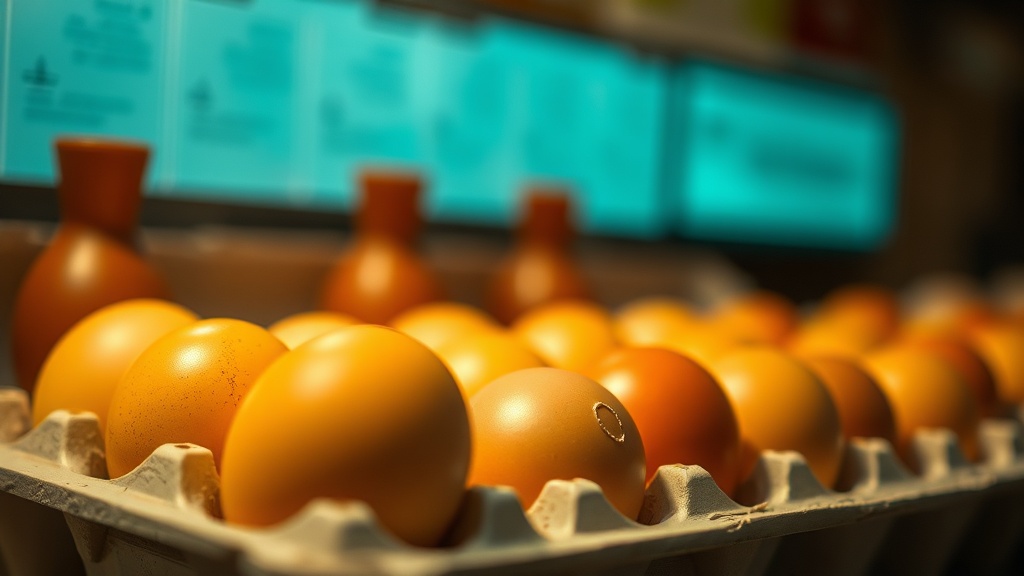
Why Your Eggs Are Getting Expensive and How to Save Money

The price tag on a dozen large Grade A eggs at the local Kroger or Walmart has climbed significantly over the last two years, turning a kitchen staple into a line item that requires actual thought. This guide explains the specific economic and biological reasons behind rising egg prices and provides practical, kitchen-tested strategies to keep your protein costs low without sacrificing nutrition.
Why Egg Prices Are Rising
Understanding the "why" behind the price hike helps you make better purchasing decisions. It isn't just one single issue; it is a combination of biological setbacks in poultry and global supply chain shifts.
Avian Influenza Outbreaks
The primary driver for the recent price spikes is Highly Pathogenic Avian Influenza (HPAI). Unlike a standard cold, this strain of bird flu is devastating to commercial poultry farms. When an outbreak occurs, entire flocks must be culled to prevent the spread. This drastically reduces the total number of egg-laying hens available in the United States. When the supply of hens drops, the supply of eggs drops, and the price per dozen naturally climbs. Even as new flocks are raised to replace the lost ones, the lag time in production creates a bottleneck that keeps prices high.
Increased Feed and Energy Costs
Chickens require a consistent, nutrient-dense diet to produce high-quality eggs. The primary ingredients in poultry feed—corn and soybean meal—are commodities subject to market volatility. When droughts affect the Midwest or international trade tensions shift grain availability, feed prices skyrocket. Additionally, the cost of running climate-controlled poultry houses and transporting eggs in refrigerated trucks has risen due to higher diesel and electricity costs. You are essentially paying for the cost of the corn, the electricity, and the fuel required to get that egg to your grocery store shelf.
Labor and Logistics
The agricultural sector continues to face labor shortages. From the workers managing the poultry houses to the truck drivers delivering the crates to stores like Aldi or Publix, increased wages and staffing difficulties add a layer of cost to every carton. These operational expenses are passed down to the consumer at the checkout counter.
Smart Strategies to Save Money on Eggs
Since you can't control the global poultry market, you have to control how you shop and how you use what you buy. Here are the most effective ways to keep your breakfast and baking costs under control.
Buy in Bulk and Check Unit Prices
If your family consumes more than a dozen eggs a week, stop buying the standard 12-count cartons. Most big-box retailers like Costco or Sam's Club offer 2-dozen or even 5-dozen flats at a much lower price per egg. Even if you don't have a massive family, buying a larger quantity and storing them properly in your refrigerator can save you dollars over the course of a month. Always look at the "price per unit" or "price per ounce" on the shelf tag to see the true value, rather than just looking at the total price of the carton.
Prioritize Versatility Over Brand Names
When you are looking at the egg aisle, don't feel pressured to buy the organic, pasture-raised, or "free-range" labels if they are significantly more expensive. While those options are great for certain dietary preferences, the nutritional profile of a standard large white egg is remarkably similar to a premium egg. If you are on a strict budget, stick to the store brand (like Great Value or Signature Select). Use the money you save to buy high-quality vegetables or proteins elsewhere. If you want to use eggs for baking, standard eggs work perfectly well for almost every recipe.
Master the Art of Egg Substitution
One of the best ways to save money is to reduce the frequency with which you use eggs as a primary ingredient. In many recipes, eggs act as a binder or a leavening agent. You can often find cheaper pantry staples to do this job. For example, if you are making a large batch of muffins or pancakes, you can use "flax eggs" (one tablespoon of ground flaxseed mixed with three tablespoons of water) or even applesauce to provide moisture and binding. This reduces your reliance on the egg carton and keeps your weekly grocery bill predictable.
Use Frozen Vegetables to Bulk Up Egg Dishes
Eggs are a high-quality protein, but they are also relatively small. To make your eggs go further and feel like a complete meal, you should "stretch" them with vegetables. Instead of serving three eggs, serve two eggs with a large portion of sautéed vegetables. This adds volume and fiber to the meal without adding much cost. A great way to do this is to keep a bag of frozen spinach or frozen broccoli in the freezer. You can toss these directly into a scramble or an omelet. Using frozen vegetables is a smart way to add nutrition and bulk to your egg dishes without the waste of fresh produce that might spoil in the crisper drawer.
Batch Cooking and Meal Prep Techniques
To get the most value out of every egg, you should treat them as a component of a larger meal rather than a single-serving item. This prevents waste and ensures you aren't constantly reaching for the carton for a quick, expensive snack.
Hard-Boiled Egg Prep
Hard-boiling a dozen eggs at the start of the week is one of the most efficient ways to ensure you have a quick protein source ready. When eggs are pre-peeled and stored in a sealed container, they are much more likely to be eaten as a snack rather than being replaced by more expensive pre-packaged protein bars or deli meats. You can use these for salads, sliced on top of avocado toast, or even as a quick protein boost in your morning oatmeal.
The Sheet Pan Frittata Method
Instead of making individual omelets every morning—which uses more butter, oil, and time—make a large sheet pan frittata. Whisk a dozen eggs with a splash of milk or water, add whatever leftover vegetables or meats you have in the fridge, and bake it in a rimmed baking sheet. Once cooled, you can slice it into squares. These squares can be eaten hot for breakfast, cold for lunch, or even used as a "bread" substitute in a sandwich. This method ensures that every bit of the egg is used and allows you to incorporate inexpensive fillers like potatoes or onions to make the meal even more substantial.
Egg-Based Sauces and Toppings
If you find yourself with eggs that are nearing their "best by" date, don't let them go to waste. You can use them to create rich, homemade components for other meals. For instance, a homemade Hollandaise or a creamy egg-based dressing can elevate a simple meal of toast or vegetables. While it might seem counterintuitive to use eggs to make a sauce, it is often much cheaper than buying high-end bottled dressings or prepared sauces. If you enjoy making your own condiments, you might also enjoy learning how to make your own creamy salad dressings to save even more on your weekly grocery list.
Summary Checklist for Egg Shopping
Before you head to the checkout, run through this quick mental checklist to ensure you are getting the best deal:
- Check the Unit Price: Is the 18-count or 30-count carton actually cheaper per egg than the 12-count?
- Skip the Labels: Does the recipe strictly require "Organic" or "Pasture-Raised," or will the store brand suffice?
- Inspect for Damage: If buying in bulk or in a flat, ensure there are no cracks. A cracked egg is wasted money.
- Plan the Use: Do I have a plan to use these eggs in more than just breakfast? (e.g., baking, binding, or adding to a casserole).
By understanding the economic forces at play and changing your kitchen habits, you can navigate the rising cost of eggs without feeling the pinch in your monthly budget. Focus on bulk buying, smart substitutions, and utilizing your freezer to keep your family fed with real, high-quality food.